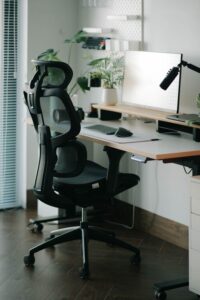
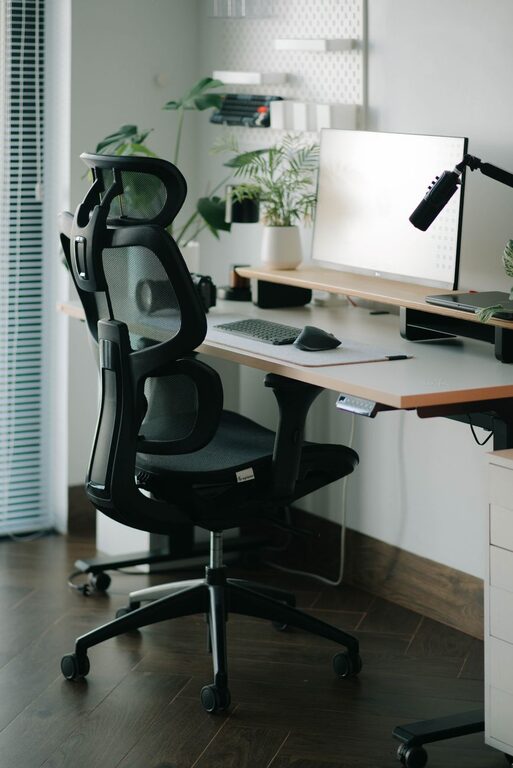
Creating a workspace that promotes both focus and comfort is essential for productivity and well-being, whether you work from home or in an office. A thoughtfully arranged desk can help reduce distractions, prevent discomfort, and keep you energized throughout the day. In this post, we’ll explore practical tips to optimize your desk setup for maximum focus and comfort.
Why a Good Desk Setup Matters
Your desk is more than just a surface to place your computer on. It’s the core of your work environment, and the way it’s arranged affects your posture, concentration, and even mood. An uncomfortable or cluttered workspace can lead to fatigue, back pain, and decreased productivity. On the other hand, a well-designed setup encourages better focus and helps maintain physical comfort over long periods.
Choose the Right Desk and Chair
Desk Height and Size
A desk that fits your body size and work style is the foundation of a comfortable workspace.
– Height: Your desk should allow your forearms to rest parallel to the floor when typing, with elbows at about a 90-degree angle. Typical desk height ranges from 28 to 30 inches, but adjustable desks are ideal for personalized comfort.
– Surface Area: Make sure there’s enough space for your computer, keyboard, mouse, and other essentials without feeling cramped.
Ergonomic Chair
Investing in a supportive chair can prevent back and neck pain.
– Adjustability: Look for chairs with adjustable seat height, backrest angle, and lumbar support.
– Comfort: Choose a chair with enough cushioning and breathable fabric.
– Posture Support: The chair should encourage an upright posture with feet flat on the floor.
Position Your Monitor for Optimal Viewing
How you place your computer screen can have a big impact on neck strain and eye fatigue.
– Eye Level: The top of your monitor should be at or slightly below eye level.
– Distance: Position the screen about an arm’s length away, roughly 20-30 inches.
– Angle: Tilt the screen slightly backward (10-20 degrees) to reduce glare.
– Dual Monitors: If you use two screens equally, place them side-by-side with the seam centered to avoid turning your head frequently.
Organize Your Desk to Reduce Distractions
A cluttered desk can make it harder to focus. Keep your workspace tidy by following these tips:
– Essential Items Only: Keep only the tools you use daily on your desk.
– Storage Solutions: Use drawers, shelves, or organizers to store paperwork and supplies.
– Cable Management: Use clips, sleeves, or a cable box to keep wires neat and out of the way.
– Personal Touches: Add a small plant or photo to make your space welcoming but avoid overdecorating.
Lighting: Brighten Up Your Workspace
Good lighting reduces eye strain and keeps you alert.
– Natural Light: Position your desk near a window when possible. Natural light boosts mood and energy.
– Task Lighting: Use a desk lamp with adjustable brightness and direction for focused light.
– Avoid Glare: Position monitors perpendicular to windows and avoid harsh overhead lighting.
Maintain Proper Posture and Movement
Even the best setup won’t help if you stay in one position too long.
– Posture Check: Sit with your back straight, shoulders relaxed, and feet flat on the floor.
– Take Breaks: Stand up, stretch, or walk around every 30-60 minutes to reduce stiffness.
– Use Accessories: Consider a footrest, wrist rest, or standing desk converter to vary your posture.
Incorporate Ergonomic Accessories
Small additions can enhance comfort and reduce strain.
– Keyboard and Mouse: Choose ergonomic designs that support natural hand positions.
– Monitor Stand: Elevates your screen to the right height.
– Document Holder: Keeps papers at eye level to prevent neck bending.
– Anti-Fatigue Mat: If you use a standing desk, this reduces foot fatigue.
Tips for Maintaining Focus at Your Desk
Creating a comfortable setup is just one part of staying focused. Here are a few more suggestions:
– Set Boundaries: Keep your workspace dedicated to work only, if possible.
– Minimize Noise: Use noise-canceling headphones or soft background music.
– Use Timers: Techniques like Pomodoro help manage focus and breaks.
– Keep Hydrated and Nourished: A water bottle and healthy snacks nearby support sustained energy.
Final Thoughts
A well-planned desk setup tailored to your needs can make a significant difference in comfort and productivity. While everyone’s preferences vary, prioritizing ergonomics, organization, and lighting are universal ways to create a workspace that helps you focus and feel good throughout the workday. Start with these tips, and adjust as needed to find the setup that works best for you.